
This article contains affiliate links. If you purchase through these links, we may earn a commission at no additional cost to you. This helps support our website and allows us to continue creating free content. Our recommendations are based on our independent research and editorial standards.
Inflation has been one of the major problems faced by any economy across the world. The year 2026 is no different for Europe. From the rising cost of energy to global geopolitical issues, the economic landscape is far from stable. At the heart of it all is the European Central Bank, which is carefully navigating the delicate balance of inflation and economic growth.
If you have been keeping up with the news, you might have noticed that inflation in Europe is far from being a simple number. It is closely linked to global factors such as energy prices. Now, let's see how the ECB is handling this in 2026. We'll try to break it down in simple terms that can be easily understood.
Holding Interest Rates Steady While Watching Inflation
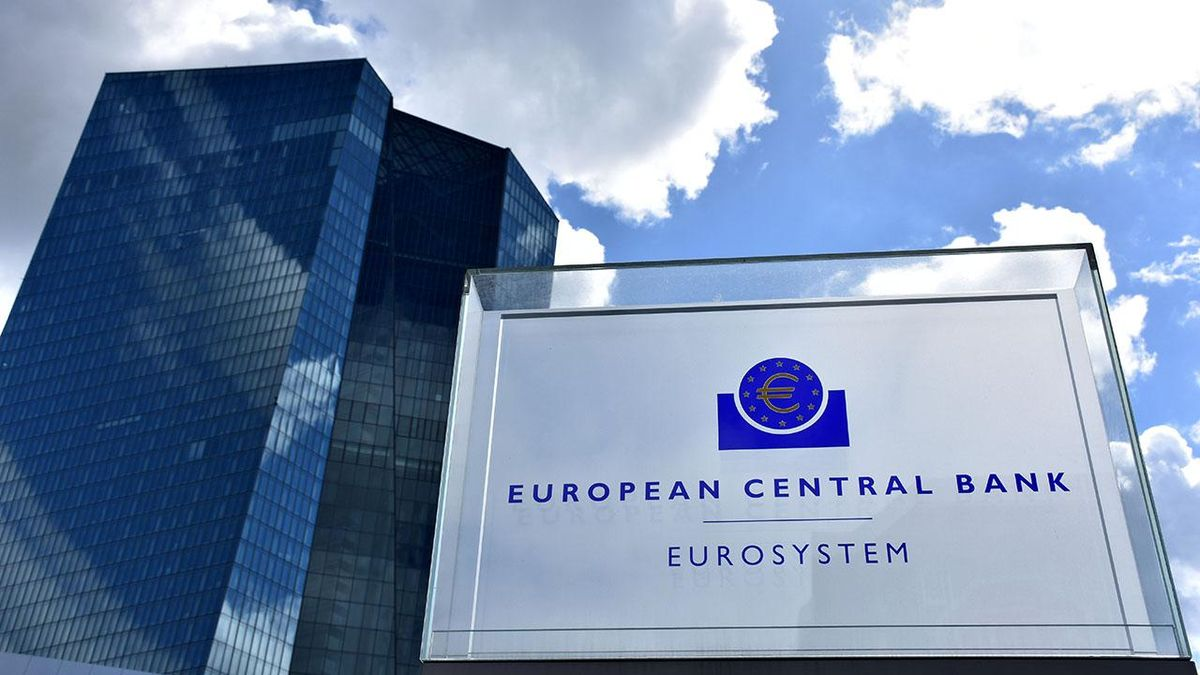
One of the most important tools the ECB uses to control inflation is interest rates. In 2026, instead of aggressively raising or cutting rates, the ECB has largely chosen to hold interest rates steady at around 2%.
This might sound surprising, especially when inflation risks are still present. But here is the reasoning. Inflation in early 2026 had actually started to come down, reaching close to the ECB’s target of 2%.
So instead of reacting too quickly, the ECB is taking a wait and watch approach. This strategy helps avoid unnecessary shocks to the economy, especially when growth is already slowing.
Think of it like adjusting the temperature in a room. If it is almost comfortable, you do not suddenly turn the dial all the way. You wait, observe, and adjust slowly.
Responding to Energy Driven Inflation Risks

One of the largest reasons why inflation remains a problem in 2026 is because of rising energy costs. Because of global conflicts, especially in the Middle East, oil and gas prices are rising, and this affects everything from fuel prices to food prices.
Because of this, the ECB is now increasing its inflation forecasts for 2026 to around 2.6%, which is well above its ideal rate of 2%.
This means inflation is set to rise again, even though it was decreasing in the first part of this year.
However, this is seen as a temporary problem and not a long-term problem. Instead of reacting to this by putting interest rates up, the ECB is instead waiting to see if this is going to be a long-term problem.
Staying Flexible With a Data Driven Approach

Another key part of the ECB’s strategy in 2026 is flexibility. Rather than committing to strict policies, the central bank is making decisions based on real time data.
ECB President Christine Lagarde has emphasized that future actions will depend on factors like:
Energy prices
Wage growth
Consumer spending
Global economic conditions
This approach is often called data driven policy, and it allows the ECB to adapt quickly if inflation rises unexpectedly or if the economy slows down further.
For example, if inflation rises sharply again, the ECB may consider increasing interest rates. But if inflation falls and growth weakens, it could shift toward easing policies instead.
Balancing Inflation Control with Economic Growth

The biggest problem in 2026 is that it is not just the rate of inflation that is a problem. The rate of economic growth in the eurozone is also slowing down, and this is now forecast to be only 0.9% this year.
This puts the ECB in a bit of a bind. On the one hand, if it increases interest rates too much, this will slow down the rate of economic growth. On the other hand, if it does nothing, this will allow the rate of inflation to rise.
This balancing act is why the actions of the ECB in 2026 seem so cautious.
Preparing for Different Scenarios
Another interesting part of the ECB’s strategy is scenario planning. Instead of relying on one forecast, the bank is preparing for multiple possible outcomes.
For example, if energy prices continue rising, inflation could go much higher. In extreme cases, projections suggest inflation could even exceed 3% or more in the short term.
On the other hand, if global conditions stabilize, inflation could return closer to the 2% target by 2027.
By planning for different scenarios, the ECB ensures it is ready to act quickly no matter how the situation evolves.
Summary
In 2026, the European Central Bank is responding to inflation with a cautious and flexible strategy. Instead of making aggressive moves, it is holding interest rates steady while closely monitoring economic data. Rising energy prices have increased inflation risks, but the ECB views these as potentially temporary. By focusing on a data driven approach and balancing inflation control with economic growth, the ECB aims to keep inflation near its 2% target while avoiding unnecessary economic slowdown.
FAQs
1. What is the ECB’s main goal regarding inflation?
The ECB aims to keep inflation around 2% over the medium term to ensure price stability in the eurozone.
2. Why is the ECB not raising interest rates aggressively in 2026?
Because inflation had been declining earlier and economic growth is weak, the ECB is taking a cautious approach instead of reacting too quickly.
3. What is causing inflation to rise again in 2026?
The main reason is rising energy prices due to global geopolitical tensions, especially conflicts affecting oil and gas supply.
4. Will the ECB increase interest rates later in 2026?
It is possible. The ECB has said it will act based on data, so rate hikes could happen if inflation rises significantly.
5. Is inflation expected to return to normal levels?
Yes, current projections suggest inflation could return close to the 2% target by 2027 if conditions stabilize.
Written By