
This article contains affiliate links. If you purchase through these links, we may earn a commission at no additional cost to you. This helps support our website and allows us to continue creating free content. Our recommendations are based on our independent research and editorial standards.
If you ever wondered how Europe plays such an important role in world trade, the answer is simple: their export markets. From luxurious fashion to advanced machinery, Europe is home to many countries whose exports are needed across the globe.
What are exports in 2026? They are not just goods; they are innovation, technology, and sustainability, as well as connectivity.
Now, if you are interested in knowing what are the top export markets in Europe, then let’s find out what countries are at the forefront and why.
What Are the Top Export Markets in Europe?
The top export markets in Europe include Germany, the Netherlands, France, Italy, Belgium, and Spain.
These countries dominate exports due to strong industries, strategic locations, advanced infrastructure, and global demand for their products.
Let’s take a closer look at what makes each of them stand out.
Germany The Export Powerhouse of Europe
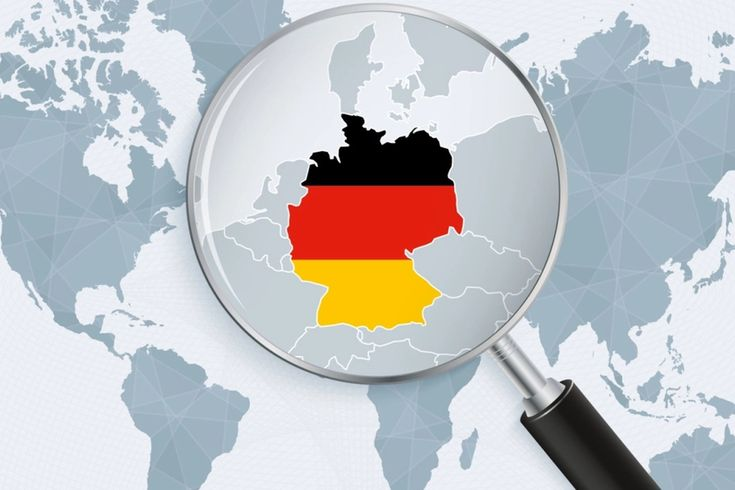
Germany is often called the engine of Europe’s economy, and for good reason.
It is one of the largest exporters in the world, known for:
Automobiles
Machinery
Engineering products
Chemicals
German brands and products are trusted globally for their quality and precision.
Countries across Europe, Asia, and North America rely heavily on German exports, making it the backbone of European trade.
The Netherlands A Strategic Trade Hub
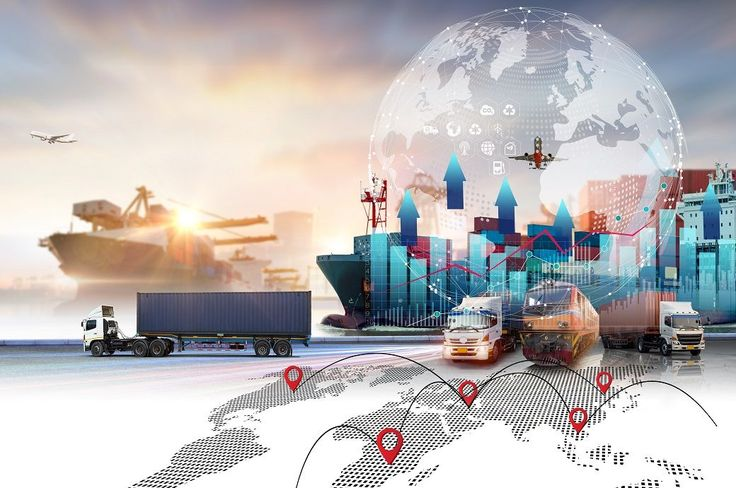
The Netherlands, despite being a small country, plays a huge role in exports.
The strategic location of the Netherlands has enabled it to become a gateway to Europe.
The Port of Rotterdam is considered to be one of the biggest ports in the world.
The strategic location of the Netherlands has enabled it to export:
Agricultural products
Chemicals
Machinery
Re-exported goods
The Netherlands has a strong logistics system, which has enabled it to become a highly efficient export hub.
France Blending Luxury and Industry
France is a country that offers a unique blend of exports.
On one hand, it has a strong portfolio of luxury goods, including fashion, cosmetics, and perfumes.
On the other, it also has a strong portfolio of industries, including aerospace and pharmaceuticals.
The exports of France are considered to be of high quality, and the brand is highly sought after.
The exports of France are considered to be highly desirable, given their premium quality.
Italy A Leader in Design and Manufacturing
Italy is famous for its creativity and craftsmanship.
Its exports include:
Fashion and luxury goods
Furniture and design products
Machinery
Food and beverages
Italian products are often associated with style and quality.
Whether it is clothing or cuisine, Italy has built a strong global reputation.
Belgium and Spain Strong and Diverse Exporters
Belgium might not always be the first country you think of, but it is a major exporter.
It is known for:
Chemicals
Pharmaceuticals
Diamonds
Machinery
Its central location in Europe makes it an important trade hub.
Spain, on the other hand, has a diverse export market.
It exports:
Automobiles
Agricultural products
Textiles
Renewable energy technology
Spain is also growing rapidly in sectors like green energy and technology.
Why These Countries Lead in Exports
So what makes these countries so successful?
There are a few key factors.
First, strong industrial bases. These countries have well developed industries that produce high quality goods.
Second, strategic locations. Ports, transport networks, and connectivity make trade easier.
Third, innovation. European countries invest heavily in research and development.
And finally, global demand. European products are trusted worldwide.
The Role of the European Union
The European Union plays a huge role in boosting exports.
It allows free trade between member countries, making it easier for goods to move across borders.
It also negotiates trade agreements with other regions, opening up new markets for European exports.
This creates a strong and connected trading system.
Emerging Export Trends in 2026
Exports in Europe are evolving.
In 2026, some key trends include:
Growth in green and sustainable products
Increased demand for technology and digital services
Expansion of e commerce exports
Focus on renewable energy solutions
Countries are adapting to global changes and shifting their export strategies accordingly.
Challenges Facing European Export Markets
Of course, there are challenges too.
These include:
Global competition
Supply chain disruptions
Economic uncertainties
Trade regulations
Despite these challenges, Europe continues to remain a strong player in global trade.
What This Means for Businesses
If you are planning to enter the European market, understanding export hubs is important.
It helps you:
Identify opportunities
Choose the right country to work with
Understand market demand
For example, if you are in manufacturing, Germany might be your focus.
If you are in logistics or trade, the Netherlands could be ideal.
The Bigger Picture
At the end of the day, what are the top export markets in Europe is about more than just numbers.
It is about how different countries contribute to a larger economic system.
Each country has its strengths, and together, they create one of the most powerful trade networks in the world.
Summary
The top export markets in Europe include Germany, the Netherlands, France, Italy, Belgium, and Spain. These countries lead due to strong industries, strategic locations, and global demand for their products. Supported by the European Union, Europe continues to be a major force in global trade, with growing trends in sustainability and technology shaping its future.
FAQs
1. Which country is the largest exporter in Europe?
Germany is the largest exporter in Europe.
2. Why is the Netherlands important for exports?
Because of its strategic location and major ports like Rotterdam.
3. What does France export the most?
Luxury goods, aerospace products, and pharmaceuticals.
4. Is Italy a strong export country?
Yes, especially in fashion, design, and manufacturing.
5. How does the EU support exports?
By enabling free trade and creating international trade agreements.
Written By