
This article contains affiliate links. If you purchase through these links, we may earn a commission at no additional cost to you. This helps support our website and allows us to continue creating free content. Our recommendations are based on our independent research and editorial standards.
Studying in the United Kingdom has always been a dream for many students. From world class universities to a vibrant student life, it offers an experience that feels both academic and cultural.
But after Brexit, things are not exactly the same.
If you are planning to study in the UK in 2026, you will notice that the system has become more structured, slightly more expensive in some cases, and definitely more regulated. The experience is still amazing, but the journey to get there has changed in some important ways.
So let’s break it down in a simple, real way.
How Has Studying in the United Kingdom Changed After Brexit?
The biggest changes after Brexit revolve around tuition fees, visa rules, work opportunities, and student mobility.
Before Brexit, students from the EU had similar benefits as UK students. Now, they are treated like international students, and that has had a major impact on costs and accessibility.
At the same time, the UK has introduced stricter immigration rules and digital systems that affect all international students, including those from India.
Let’s explore these changes one by one.
Tuition Fees Have Increased for EU Students

One of the biggest shifts after Brexit is in tuition fees.
Earlier, EU students could pay the same fees as UK students, known as “home fees.” But since 2021, that has changed.
Now, EU students pay international tuition fees, which are significantly higher.
This change has made studying in the UK more expensive for European students and has even led to a drop in EU student enrolment.
Recent discussions in 2026 show that the UK and EU are still negotiating this issue, with some talks about reducing fees again to encourage more students.
So while the system may evolve, for now, studying in the UK is generally more expensive for EU students than before Brexit.
Student Visas Are Now Mandatory for EU Students
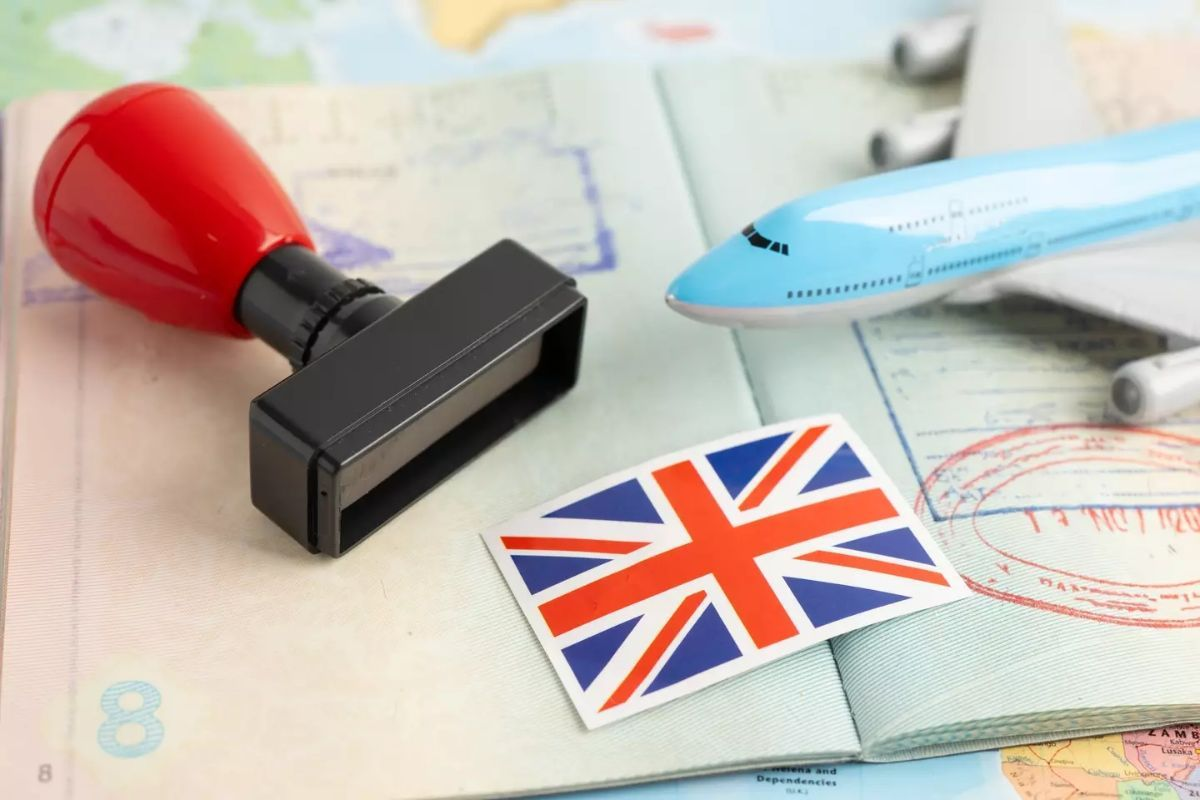
Another major change is that EU students now need a student visa to study in the UK.
Before Brexit, they could move freely without needing one. Now, they must go through the same visa process as other international students.
The UK student visa:
Costs around £524
Requires proof of funds and admission
Includes a healthcare surcharge
This has added an extra step to the process, making it slightly more complex and time consuming.
Stricter Immigration Rules and Digital Systems

Post Brexit, the UK has introduced a more controlled immigration system.
In 2026, this includes:
Digital eVisas instead of physical documents
Stricter financial proof requirements
Tighter rules on dependants
A points based visa system
There is also a broader government push to reduce migration and make the system more selective.
For students, this means being more prepared with documents and planning ahead.
Changes in Post Study Work Opportunities
One of the most attractive aspects of studying in the UK has always been the ability to stay and work after graduation.
This is still available through the Graduate Route, but there are changes coming.
Currently, students can stay for 2 years after graduation
From 2027, this may be reduced to 18 months
This means students now need to be more strategic about job hunting and career planning.
The opportunity is still there, but the timeline is becoming tighter.
Decline in EU Student Numbers
Because of higher fees and visa requirements, fewer EU students are choosing the UK.
In fact, there has been a noticeable drop in enrolment since Brexit, with some countries seeing significant declines.
This has also impacted universities financially, as international students contribute a large portion of their funding.
New Focus on Global Students Beyond Europe
Interestingly, Brexit has also shifted the UK’s focus toward non EU students.
Countries like India, China, and Nigeria are now major contributors to international student numbers.
The UK is also expanding its education globally by setting up international campuses and partnerships instead of relying only on students coming to the UK.
This means more opportunities for international students, even if the rules are stricter.
Reduced Mobility Between UK and EU
Before Brexit, students could easily move between the UK and EU for study programs like Erasmus.
Now, mobility has become more limited.
There are ongoing discussions about new youth mobility schemes, but nothing fully replaces the ease of movement that existed before.
This has slightly reduced the flexibility students once had.
What Has Not Changed
Despite all these changes, some things remain the same.
The UK still offers:
World class universities
Strong academic reputation
Diverse student communities
Excellent career opportunities
So while the process has changed, the value of studying in the UK is still very high.
Is It Still Worth Studying in the UK in 2026?
The short answer is yes, but with better planning.
Studying in the UK after Brexit requires:
A higher budget in some cases
More paperwork
Clear career planning
But in return, you still get access to one of the best education systems in the world.
If you are prepared and informed, the experience can still be incredibly rewarding.
Summary
Studying in the United Kingdom has changed significantly after Brexit, especially in terms of tuition fees, visa requirements, and student mobility. EU students now pay international fees and require visas, while immigration rules have become stricter and more digital. Post study work opportunities remain but may be shortened in the future. Despite these changes, the UK continues to be a top destination for international education, offering high quality learning and global career opportunities.
FAQs
1. Do EU students need a visa to study in the UK after Brexit?
Yes, EU students now need a student visa, just like other international students.
2. Have tuition fees increased after Brexit?
Yes, EU students now pay international fees, which are higher than before.
3. Can students still work after studying in the UK?
Yes, through the Graduate Route, though the duration may reduce in the future.
4. Is studying in the UK still worth it?
Yes, the UK still offers high quality education and global career opportunities.
5. Has Brexit reduced student mobility?
Yes, movement between the UK and EU for study purposes has become more restricted compared to before.
Written By