This article contains affiliate links. If you purchase through these links, we may earn a commission at no additional cost to you. This helps support our website and allows us to continue creating free content. Our recommendations are based on our independent research and editorial standards.
If you are a movie buff, then Europe is pretty much a dream destination. Just think about it: red carpets, old buildings, and some of the most creative movies from all over the world. This is basically what you get when you attend any of the film festivals in Europe.
In 2026, these festivals are not just about movies; they are about culture. They are about defining what’s trending, what’s popular, and what’s going to make it big. They are about bringing people from all over the world. So, if you are thinking about what are some of the biggest film festivals in Europe, let’s take a look at some of the most iconic ones.
What Are the Biggest Film Festivals in Europe?
The biggest film festivals in Europe include the Cannes Film Festival, Venice Film Festival, Berlin International Film Festival, Toronto International Film Festival and San Sebastián International Film Festival.
These festivals are known for their global influence, star power, and ability to showcase groundbreaking cinema.
Let’s explore what makes each of them special.
Cannes Film Festival The Most Glamorous Stage
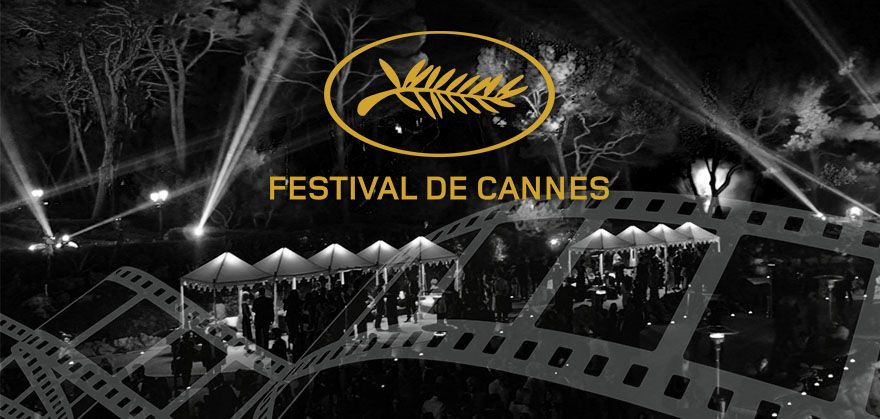
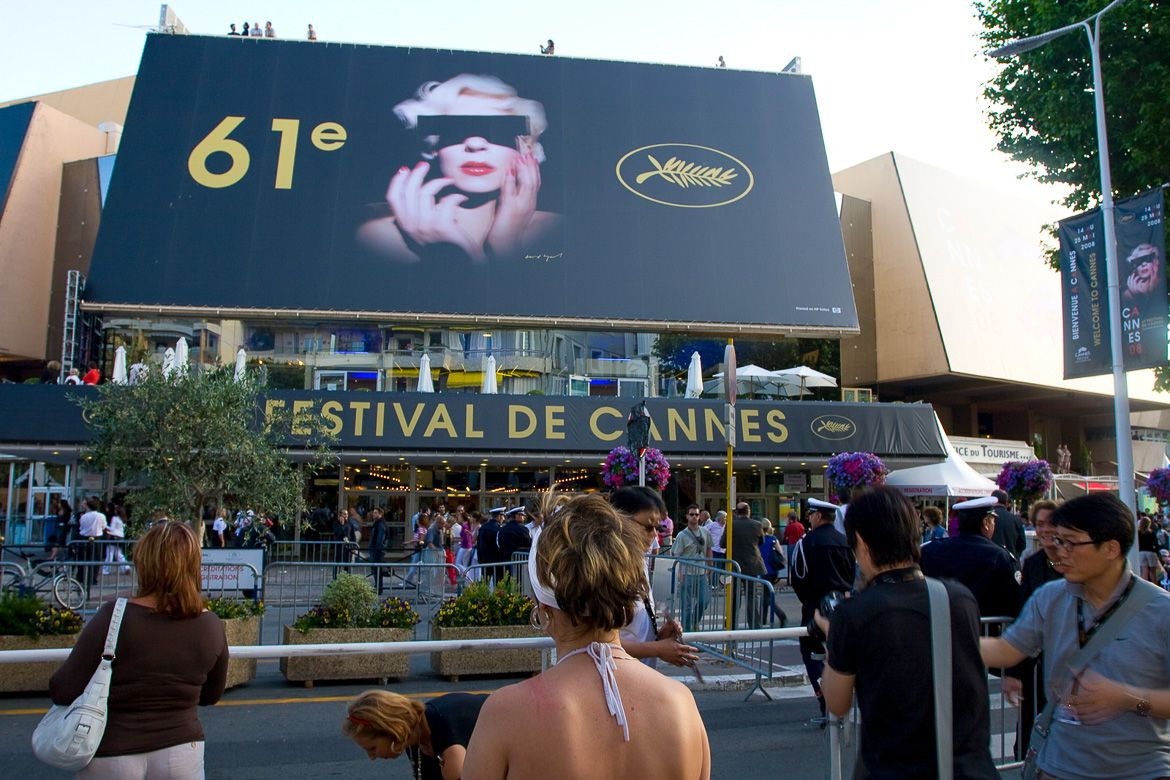
When you think of film festivals, Cannes is probably the first name that comes to mind.
Held in the beautiful city of Cannes, this festival is all about glamour, prestige, and high fashion.
But beyond the red carpet, Cannes is also one of the most important platforms for serious cinema.
Winning the Palme d’Or here can completely change a filmmaker’s career.
It is where art meets luxury, and where global cinema gets its moment in the spotlight.
Venice Film Festival Where Cinema Meets History
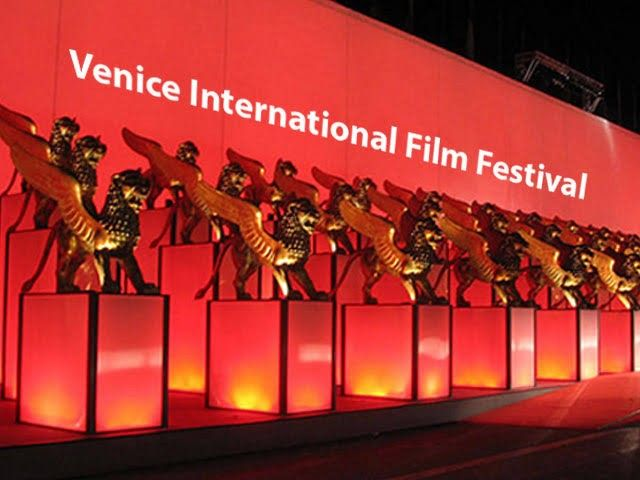
The Venice Film Festival is actually the oldest film festival in the world.
This film festival takes place in the beautiful city of Venice and feels as if you are in a film set.
This film festival is known for its artistry and elegance.
This film festival has prestigious awards such as the Golden Lion, which are actually a precursor to the major award winners during the award season.
This is a perfect blend of tradition and contemporary cinema.
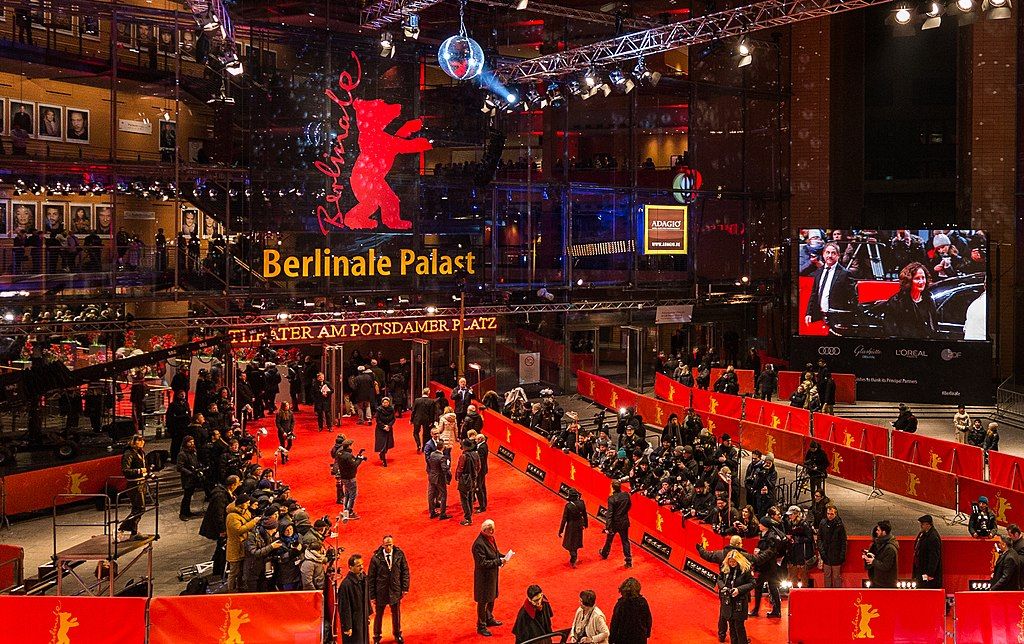
Berlin International Film Festival Bold and Diverse
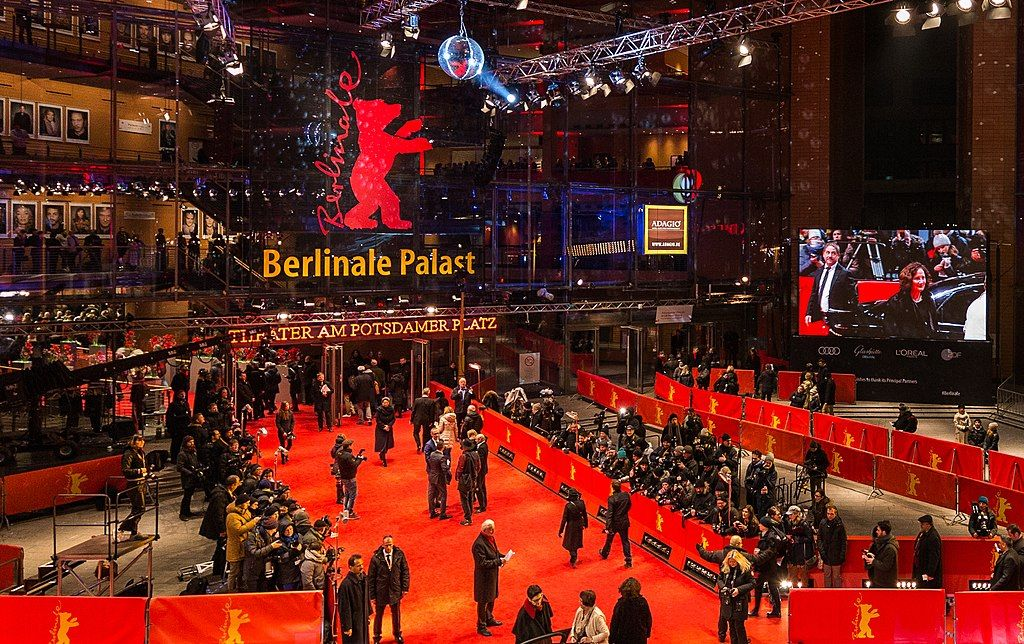
This film festival is also known as the Berlinale and is one of the most diverse and accessible film festivals.
This film festival takes place in Berlin and is known for its concentration on social and political issues and global perspectives.
This film festival is open to all, unlike the Cannes Film Festival, which is exclusive in its own way.
This film festival is known for its bold films.
San Sebastián International Film Festival A Hidden Gem
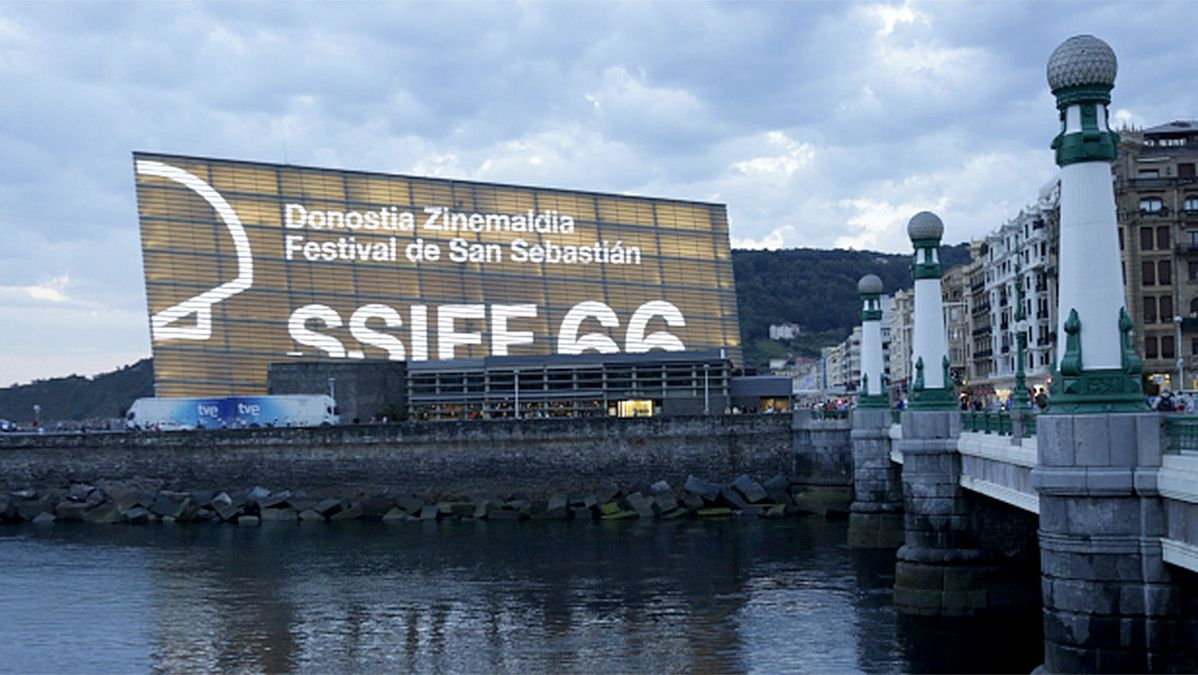
Located in San Sebastián, this festival may feel more relaxed, but it is incredibly prestigious.
The San Sebastián International Film Festival is known for showcasing a mix of international and Spanish cinema.
It is also famous for attracting big Hollywood stars while still maintaining an intimate and artistic vibe.
If you want a balance between glamour and authenticity, this is the place to be.
Other Notable Film Festivals in Europe
While the big names dominate, Europe is full of other amazing festivals worth mentioning.
The Locarno Film Festival is known for its open air screenings and focus on independent cinema.
The Karlovy Vary International Film Festival is one of the most important festivals in Central and Eastern Europe.
And the BFI London Film Festival brings together a wide range of global films in one of the world’s most vibrant cities.
Each festival has its own personality, making Europe a diverse and exciting destination for film lovers.
Why European Film Festivals Are So Influential
There is a reason why these festivals matter so much.
First, they set global trends in cinema.
Second, they provide a platform for new filmmakers.
Third, they attract media attention from around the world.
And finally, they connect different cultures through storytelling.
Many films that premiere at these festivals go on to win major awards and achieve international success.
The Experience Beyond Films
Attending a European film festival is not just about watching movies.
It is about the entire experience.
From walking through historic streets to attending premieres and spotting celebrities, it feels like being part of a global celebration of cinema.
Cities like Cannes, Venice, and Berlin come alive during these events, offering a mix of culture, fashion, and entertainment.
How to Attend These Festivals
You might think these festivals are only for celebrities, but that is not always true.
Some festivals, like Berlin, offer public screenings.
Others allow you to buy tickets or passes in advance.
Planning early and checking official websites can help you experience these events firsthand.
The Future of Film Festivals in Europe
In 2026, film festivals are evolving.
We are seeing:
More digital screenings
Greater focus on diversity
Increased global participation
Stronger connection with streaming platforms
This means even more opportunities for audiences to engage with cinema.
The Bigger Picture
At the end of the day, what are the biggest film festivals in Europe is about more than just events.
It is about celebrating storytelling, creativity, and culture.
These festivals bring people together through films, creating moments that stay with you long after the credits roll.
Summary
The biggest film festivals in Europe include Cannes Film Festival, Venice Film Festival, Berlin International Film Festival, and San Sebastián International Film Festival. These events are known for their global influence, artistic excellence, and ability to shape the future of cinema. Along with other festivals like Locarno and BFI London Film Festival, Europe remains a central hub for the global film industry.
FAQs
1. Which is the biggest film festival in Europe?
The Cannes Film Festival is considered the most prestigious.
2. Which is the oldest film festival?
The Venice Film Festival is the oldest in the world.
3. Can the public attend these festivals?
Yes, some festivals like Berlin offer public access.
4. Why are film festivals important?
They promote films, support filmmakers, and set industry trends.
5. Are European film festivals popular globally?
Yes, they attract global audiences and media attention.

Written By
Lena Becker
Fashion Content Specialist. 11+ years covering European fashion labels and seasonal collections.