
The way people shop for furniture has changed dramatically over the past decade. What was once a weekend activity involving multiple store visits has increasingly moved online, where convenience, variety, and transparency now shape buying decisions.
In 2026, one name consistently stands out in this space: Wayfair. Its continued growth isn’t the result of a single advantage, but rather a combination of thoughtful design, customer-focused features, and an understanding of how modern homeowners actually shop.
This article takes a closer look at why Wayfair has become such a strong force in the online furniture market and what that means for customers trying to furnish their homes with confidence.
The Shift Toward Online Furniture Shopping
To understand Wayfair’s position, it helps to look at the broader shift in consumer behaviour. Furniture is no longer seen as a purely in-store purchase. Today’s buyers are comfortable researching, comparing, and even visualising products digitally before making a decision.
This shift has created new expectations. Shoppers want detailed product information, realistic imagery, flexible delivery options, and the ability to explore a wide range of styles in one place.
Wayfair has aligned closely with these expectations, making it easier for customers to move from inspiration to purchase without unnecessary friction.
Wayfair’s Strength Lies in Its Product Range

One of the most immediate advantages Wayfair offers is its extensive catalogue. Whether someone is furnishing a compact apartment or a larger family home, the platform provides options across a wide range of styles, budgets, and functional needs.
This breadth is particularly valuable for modern homeowners who prefer to mix and match rather than commit to a single design style. From minimalist furniture to more traditional pieces, the variety allows users to create spaces that feel personal rather than uniform.
At the same time, the platform is structured in a way that makes navigation manageable. Categories, filters, and curated collections help narrow down choices, which is essential when dealing with such a large inventory.
For many users, this combination of variety and organisation is what makes the browsing experience feel productive rather than overwhelming.
A Customer Experience Built Around Clarity

Buying furniture online comes with inherent challenges. Customers can’t physically see or test the product, which makes clarity and trust especially important.
Wayfair addresses this by providing detailed product descriptions, multiple images, and customer reviews. These elements work together to give a more complete picture of what to expect.
Reviews, in particular, play a key role. They offer real-world insights into how a piece of furniture performs in everyday settings, which helps buyers make more informed decisions.
Another useful feature is the ability to compare products easily. Instead of switching between different websites, users can evaluate multiple options within the same platform, saving both time and effort.
This level of transparency builds confidence, especially for first-time buyers who may feel uncertain about purchasing furniture online.
Balancing Affordability and Design
One of the reasons Wayfair continues to attract a broad audience is its ability to balance cost and design. Not every customer is looking for high-end luxury furniture, but most still want pieces that look considered and well-made.
Wayfair’s pricing structure allows for this flexibility. There are options at different price points, which makes it possible to prioritise spending where it matters most.
For example, a customer might invest more in a sofa or bed while choosing more budget-friendly options for side tables or decorative items. This approach supports a practical, phased way of furnishing a home.
Compared to traditional furniture retailers, the advantage here is accessibility. Customers can explore a wide range of designs without feeling limited by a single price bracket.
Adapting to Modern Living Needs
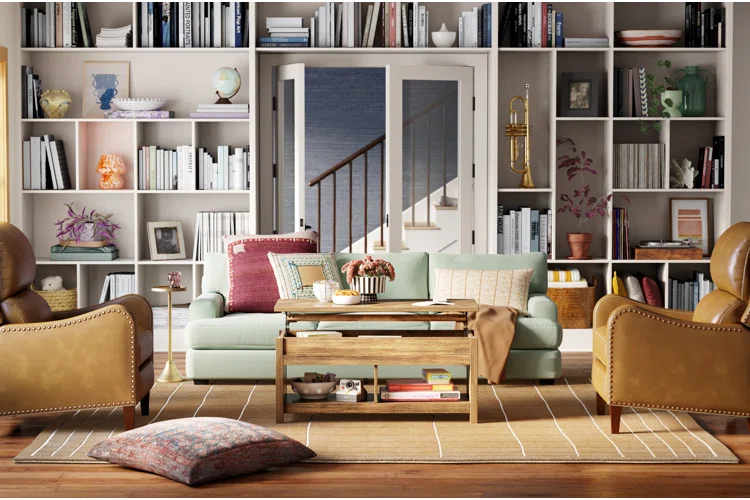
Homes in 2026 are often multifunctional. Living rooms double as workspaces, dining areas host both meals and meetings, and bedrooms are designed for both rest and relaxation.
Wayfair has adapted well to these changing needs. Many of its products reflect a focus on flexibility extendable tables, compact desks, and storage solutions that maximise space without compromising style.
This adaptability is particularly important for urban living, where space is often limited. Furniture that serves multiple purposes helps homeowners make the most of what they have.
By offering solutions that align with these realities, Wayfair remains relevant to a wide range of lifestyles.
The Role of Technology in the Wayfair Experience

Technology plays a significant role in shaping how customers interact with online platforms, and Wayfair has invested in features that enhance this experience.
Visualisation tools, for example, help users see how a piece of furniture might look in their space. While not a replacement for in-person viewing, these tools provide a helpful reference point during the decision-making process.
The platform’s search and filtering capabilities also contribute to a smoother experience. Users can refine their options based on size, colour, material, and price, making it easier to find products that meet specific requirements.
These features may seem like small details, but together they create a more intuitive and efficient shopping journey.
Building Trust Through Consistency
Trust is a key factor in any online purchase, particularly when it involves larger items like furniture. Wayfair’s consistency in product presentation, delivery processes, and customer support contributes to this trust.
Clear communication whether it’s about delivery timelines or product specifications helps set realistic expectations. This is especially important in a category where logistics can be more complex than standard retail purchases.
For many customers, the reliability of the overall experience is just as important as the product itself. Knowing what to expect reduces uncertainty and makes the buying process feel more manageable.
A Practical Approach to Furnishing a Home
One of the reasons Wayfair resonates with modern homeowners is that it supports a practical, step-by-step approach to furnishing.
Rather than encouraging large, immediate purchases, the platform allows users to build their space gradually. You can start with essential pieces and add to them over time, refining your style as you go.
This approach is particularly helpful for first-time homeowners or renters who may be working within a budget. It allows for flexibility and reduces the pressure to make every decision at once.
It also aligns with how people actually live spaces evolve, and furniture choices often change as needs shift.
Final Thoughts
Wayfair’s position in the online furniture market isn’t built on a single feature or trend. It’s the result of a well-rounded approach that combines variety, accessibility, and a strong focus on user experience.
By offering a wide range of products, clear information, and tools that support decision-making, Wayfair has created a platform that feels both practical and reliable. It meets customers where they are whether they’re furnishing their first home or updating an existing space.
In a market that continues to evolve, this balance of flexibility and consistency is what keeps Wayfair relevant. For anyone navigating the process of buying furniture online, it provides a dependable starting point, one that prioritises clarity, choice, and real-world usability.