
Studying in Europe sounds like a dream, right? Picture yourself attending classes in historic universities, exploring beautiful cities on weekends, and meeting people from all over the world. But then reality hits with one big question
Is it affordable?
The good news is that Europe is not just for expensive study abroad experiences. In 2026, there are several countries where you can get a high quality education without spending a fortune.
So if you are wondering what are the cheapest countries in Europe to study abroad, let’s explore the options that give you the best value for your money while still offering an amazing student experience.
What Are the Cheapest Countries in Europe to Study Abroad?
In 2026, countries like Germany, Poland, Hungary, Portugal, Czech Republic, and Norway are among the most affordable destinations for international students.
What makes these countries stand out is a combination of low tuition fees, reasonable living costs, and strong education systems.
Let’s take a closer look at each one so you can find the best fit for you.
Germany High Quality Education with Low Tuition
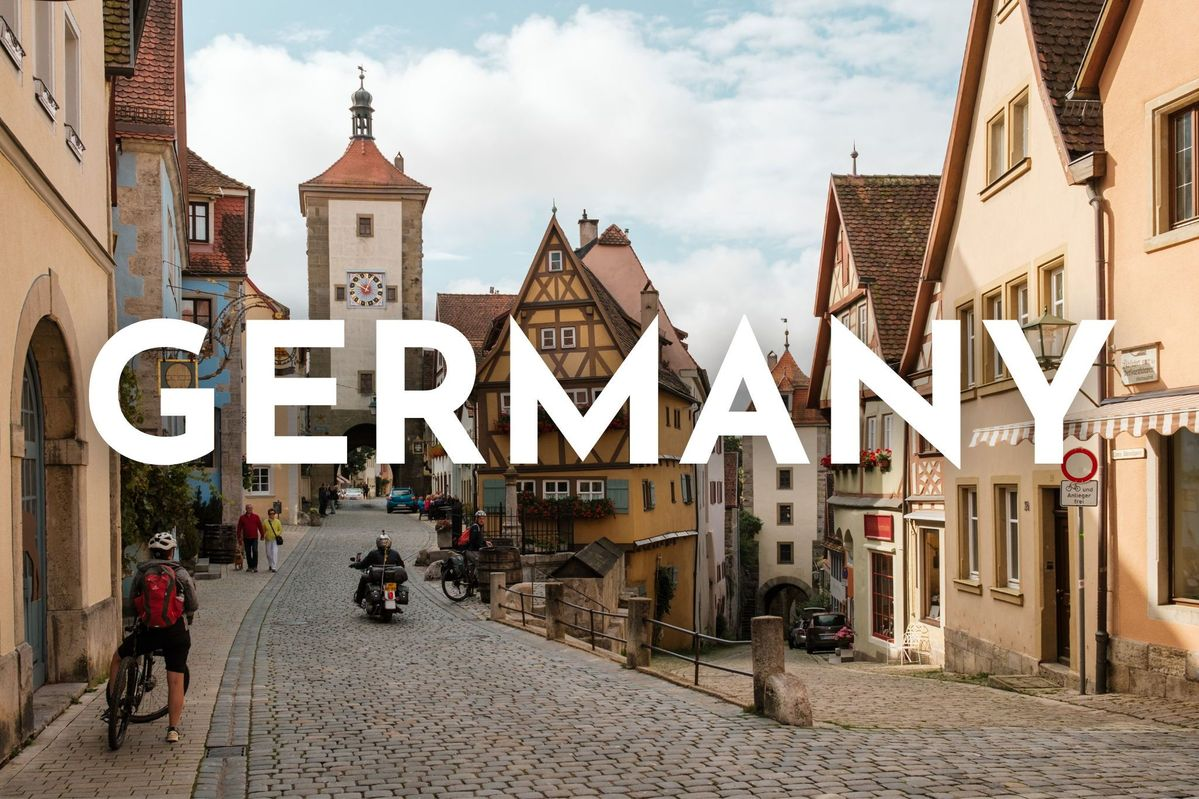
Germany is often the first choice for students looking for affordable education in Europe.
Public universities in Germany charge little to no tuition fees, even for international students. You may only need to pay a small semester fee, usually around €200 to €350.
Living costs can range from €800 to €1,200 per month depending on the city.
Cities like Berlin and Munich are slightly more expensive, but smaller cities are very budget friendly.
Germany is also known for its strong focus on research, engineering, and technology, making it ideal for students in these fields.
Poland Budget Friendly Living and Growing Opportunities
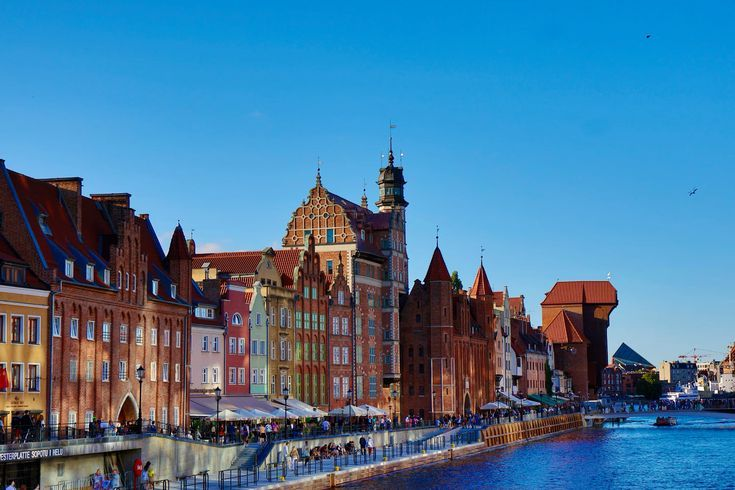
Poland is one of the most affordable countries in Europe when it comes to both tuition and living costs.
Tuition fees typically range from €2,000 to €4,000 per year, which is quite reasonable compared to other European countries.
Monthly living expenses can be as low as €500 to €800.
Cities like Warsaw and Kraków offer a great mix of history, culture, and modern student life.
Poland is also becoming increasingly popular for international students due to its growing economy and job opportunities.
Hungary Affordable Tuition and Rich Culture

Hungary is another great option if you are looking for affordable education with a unique cultural experience.
Tuition fees usually range between €2,500 and €6,000 per year, depending on the course.
Living costs are also manageable, typically around €600 to €900 per month.
Budapest is a favorite among students because of its vibrant lifestyle, historic architecture, and relatively low cost of living.
Portugal A Relaxed and Affordable Study Destination

Portugal offers a more relaxed lifestyle while still being affordable for students.
Tuition fees range from €1,500 to €4,000 per year, and living costs are around €700 to €1,000 per month.
Cities like Lisbon and Porto are popular, but smaller towns can be even more budget friendly.
What makes Portugal special is its warm climate, friendly culture, and slower pace of life, making it perfect for students who want balance.
Czech Republic Great Value for Money
The Czech Republic is known for offering high quality education at a reasonable cost.
If you study in Czech, education at public universities can be free. For English programs, tuition usually ranges from €3,000 to €6,000 per year.
Living costs are around €600 to €1,000 per month.
Prague is one of the most beautiful student cities in Europe, with a mix of historic charm and modern life.
Norway Free Education but Higher Living Costs
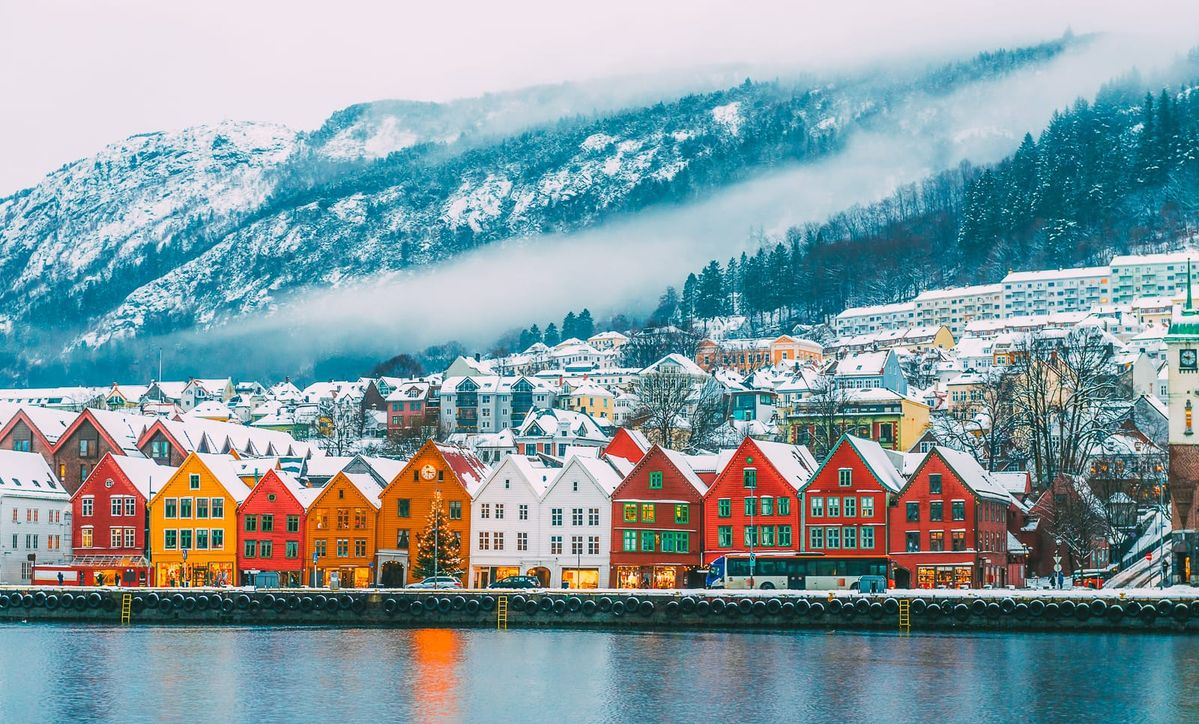
Norway is a bit different from the other countries on this list.
Public universities offer free education, even for international students. However, the cost of living is higher compared to other European countries.
You can expect to spend around €1,000 to €1,500 per month on living expenses.
While it may seem expensive, the quality of life, safety, and education system make it a strong option for many students.
What Makes These Countries Affordable
So why are these countries cheaper compared to others like the UK or France?
First, many European governments heavily subsidize education, making tuition fees lower.
Second, the cost of living in Central and Eastern Europe is generally lower than in Western Europe.
Third, student benefits like discounts on transport, food, and entertainment help reduce overall expenses.
Tips to Study in Europe on a Budget
If you want to make your study abroad experience even more affordable, here are a few simple tips:
Choose smaller cities instead of major capitals
Apply for scholarships and grants
Use student discounts wherever possible
Cook your meals instead of eating out
Look for part time job opportunities
These small steps can make a big difference in your overall budget.
Is Studying in Europe Worth It
Absolutely.
Studying in Europe is not just about academics. It is about exposure, independence, and life experience.
You get to explore different cultures, travel across countries, and build a global network.
And with the affordable options available in 2026, it is more accessible than ever.
Summary
In 2026, some of the cheapest countries in Europe to study abroad include Germany, Poland, Hungary, Portugal, the Czech Republic, and Norway. These countries offer a combination of low tuition fees and affordable living costs while maintaining high quality education. With smart planning and budgeting, studying in Europe can be both affordable and rewarding.
FAQs
1. Which is the cheapest country in Europe to study abroad?
Germany is often considered the cheapest due to its low or no tuition fees at public universities.
2. Can I study in Europe for free?
Yes, countries like Germany and Norway offer free or very low cost education at public universities.
3. What is the average cost of living for students in Europe?
It ranges from €500 to €1,500 per month depending on the country.
4. Are there scholarships available for international students?
Yes, many European universities and governments offer scholarships and financial aid.
5. Is it easy to get part time jobs as a student in Europe?
Yes, most countries allow international students to work part time while studying.